Lawn Care in Hatch End: Practical, Year-Round Tips for a Healthier Garden
Why Lawn Care in Hatch End Matters

Lawn care in Hatch End is more than a weekend chore; it is one of the simplest ways to improve the look, feel, and value of your outdoor space. A healthy lawn creates a welcoming setting for family life, relaxed entertaining, and everyday enjoyment. In a place like Hatch End, where many homes benefit from tidy front gardens and usable back lawns, the condition of the grass can have a big impact on the overall appearance of a property.
Whether you are dealing with patchy grass, compacted soil, moss, weeds, or a lawn that just looks tired, the right approach to lawn care in Hatch End can transform the space. Local weather patterns, shade from mature trees, foot traffic, and soil conditions all influence how your lawn performs. That means the best results usually come from a tailored approach rather than a one-size-fits-all routine.
For many homeowners, the goal is not a perfect show lawn. Instead, it is a lawn that is green, resilient, low-stress, and enjoyable to use throughout the seasons. With consistent maintenance and a few smart techniques, lawn care in Hatch End can be straightforward and highly rewarding.
Understanding Hatch End Conditions

Good lawn care in Hatch End starts with understanding the local environment. Hatch End lawns often face a mix of challenges, including shade from hedges or neighbouring trees, changing rainfall, and periods of dry weather in warmer months. These factors influence grass growth, water retention, and disease pressure.
Soil type is another major consideration. Many lawns perform best when the soil structure allows roots to breathe, absorb nutrients, and drain properly. If your lawn stays soggy after rain or dries out too quickly, the underlying soil may need attention. In many cases, improving the soil is just as important as mowing or feeding.
Homeowners who pay attention to these conditions usually achieve better results. A thoughtful approach to lawn care in Hatch End should include observing where the lawn thrives, where it struggles, and what changes happen through the year. That simple habit can reveal whether your grass needs more light, better aeration, or a different mowing routine.
Common local lawn challenges
- Moss growth in damp or shaded areas
- Weed invasion in thin or weak turf
- Compaction caused by regular use
- Patchy colour from poor feeding or uneven moisture
- Fungal problems during wet, still weather
Core Lawn Care in Hatch End: The Essentials

Every successful lawn care routine begins with the basics. The most important tasks are mowing, watering, feeding, and keeping the lawn free from excess thatch and debris. These actions may seem simple, but they have a major effect on grass health over time.
Mowing should be regular but not aggressive. Cutting too short can stress the grass, encourage weeds, and weaken the root system. A better approach is to trim little and often, keeping the blades sharp and the height appropriate for the season. In general, slightly longer grass is better during hot or dry periods because it helps shade the soil and retain moisture.
Watering should be deep and infrequent rather than light and frequent. Shallow watering encourages roots to stay near the surface, which makes the lawn less resilient. If you are serious about lawn care in Hatch End, aim to water when the grass truly needs it, ideally in the early morning so moisture can soak in before the day heats up.
Key maintenance tasks to stay on top of
- Mow regularly with sharp blades
- Water deeply during dry spells
- Feed the lawn at the right time of year
- Remove weeds before they spread
- Rake out thatch and debris
- Aerate compacted areas
Seasonal Lawn Care in Hatch End
Different seasons demand different priorities, and that is especially true for lawn care in Hatch End. A healthy lawn is usually the result of consistent seasonal attention rather than occasional big efforts. Each season brings a chance to strengthen the grass and reduce future problems.
In spring, the focus is often on recovery and preparation. After winter, lawns may need raking, feeding, moss control, and early weed management. This is also a sensible time to assess areas that need overseeding, especially where the turf looks thin or damaged.
Summer lawn care in Hatch End is usually about protecting the grass from heat stress and wear. Mowing slightly higher, watering carefully, and avoiding overuse during dry spells can help the lawn stay in better condition. In autumn, it is time to strengthen roots with feeding, clear leaves, and repair worn areas. Winter is quieter, but even then it helps to keep traffic off frozen or waterlogged grass.
Seasonal priorities at a glance
- Spring: clean-up, feeding, moss treatment, overseeding
- Summer: mowing height, moisture management, wear reduction
- Autumn: feeding, aeration, leaf clearance, repair work
- Winter: avoid damage, manage drainage, plan improvements
Soil Health and Aeration
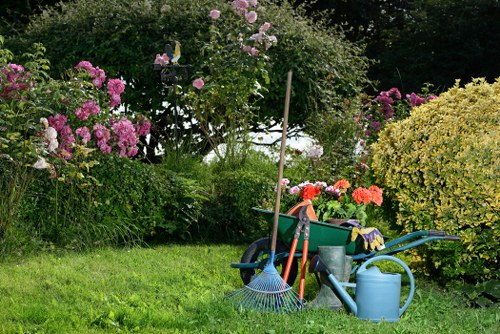
One of the most overlooked parts of lawn care in Hatch End is soil health. Grass can only perform well when the soil beneath it supports healthy roots. Over time, lawns become compacted, especially in areas where children play, pets run, or people regularly walk.
Aeration helps relieve compaction by creating tiny openings in the soil. These openings improve the movement of air, water, and nutrients. For many lawns, aeration is one of the most effective ways to encourage stronger growth and reduce surface problems. It is especially useful for lawns that have become hard, spongy, or uneven.
Alongside aeration, topdressing and overseeding can make a noticeable difference. Topdressing adds a thin layer of material that can improve surface levels and support healthier turf, while overseeding helps fill gaps and increase grass density. Together, these techniques can turn an underperforming lawn into a fuller, more attractive one.
Signs your lawn may need aeration
- Water sits on the surface after rain
- The soil feels hard underfoot
- Grass looks thin despite regular feeding
- Moss is spreading in shaded or damp spots
- The lawn suffers from heavy wear or traffic
Mowing Practices That Improve Results

Mowing is central to lawn care in Hatch End, but it is often done in a way that causes avoidable stress. If the grass is cut too low, too often, or with blunt blades, the lawn may become weaker and more vulnerable to weeds and disease. A better mowing routine produces a healthier, denser finish.
One of the most useful principles is the one-third rule: never remove more than one-third of the grass blade in a single cut. This reduces shock and supports steady growth. It also helps the lawn maintain enough leaf area to photosynthesise effectively.
Blade sharpness matters more than many people realise. A dull mower tears grass rather than cutting it cleanly, leaving ragged edges that can brown or become infected. For this reason, regular blade maintenance is an important part of good lawn care in Hatch End.
Smart mowing habits
- Cut when the grass is dry, if possible
- Change direction occasionally to avoid ruts
- Keep mower blades sharp and clean
- Raise cutting height in hot or dry weather
- Leave clippings on the lawn only if they are light and fine
Feeding and Fertilising for Strong Growth
Feeding is a major part of effective lawn care in Hatch End. Grass needs nutrients to grow densely, stay green, and recover from wear. Without the right feeding schedule, even regular mowing and watering may not produce a satisfying result. The aim is to provide balanced nutrition at the times when the lawn can use it best.
A spring feed can support recovery and encourage fresh growth, while an autumn feed often helps strengthen roots and prepare the lawn for the colder months. Fertilisers designed for lawns typically contain a mix of nitrogen, phosphorus, and potassium, each serving a different function. Nitrogen supports leaf growth, phosphorus supports root development, and potassium helps overall resilience.
It is important not to overfeed. Too much fertiliser can burn grass, create overly rapid growth, and increase the need for mowing. A careful, moderate approach usually gives better long-term results than trying to force growth.
Benefits of proper feeding
- Improves colour and density
- Supports healthy root growth
- Helps grass recover faster from stress
- Reduces the chances of weak, sparse patches
- Enhances resistance to wear and weather
Dealing with Weeds and Moss
Weeds and moss are common problems in lawn care in Hatch End, especially where grass is already weak. Weeds often take advantage of thin turf and compacted ground, while moss thrives in shaded, damp, or poorly drained areas. The most effective solution is not just to remove them, but to improve the conditions that allowed them to spread in the first place.
For weeds, early action is best. Hand removal can work well for small infestations, while selective weed treatments may be suitable for more established problems. Keeping the lawn dense through overseeding and feeding is also important because healthy grass naturally outcompetes weeds.
Moss control may require a combination of scarifying, aeration, drainage improvement, and sometimes a moss treatment. However, moss rarely disappears for good unless the root cause is addressed. Shade, compaction, and poor airflow are often the underlying issues.
Practical steps to reduce weeds and moss
- Improve grass density through overseeding
- Reduce shade where possible
- Aerate compacted areas
- Mow correctly to avoid weakening the turf
- Adjust watering habits to prevent excess moisture
Watering Techniques That Actually Help
Watering is essential in lawn care in Hatch End, but many lawns suffer because they are watered too little, too much, or at the wrong time. The goal is to encourage deep rooting and even growth. Shallow watering may make the lawn look better briefly, but it usually leads to a weaker root system.
For established lawns, deep watering once or twice a week during dry weather is often more effective than brief daily watering. The exact amount will depend on soil type, rainfall, and exposure. Sandy soils may dry out quickly, while heavier soils may hold moisture longer. Observing the lawn closely is the best way to judge needs.
Timing matters too. Watering early in the morning gives the grass time to absorb moisture before the sun becomes stronger. Evening watering can leave leaves wet overnight, which may encourage disease in some conditions. This small adjustment can make a meaningful difference in lawn care in Hatch End.
Watering do's and don'ts
- Do water deeply rather than lightly
- Do monitor soil moisture before irrigating
- Do focus on dry, stressed areas first
- Don't water every day without checking need
- Don't leave the lawn wet overnight if you can avoid it
Repairing Bare Patches and Thin Areas
Even well-managed lawns can develop bare patches. Pets, heavy use, weather stress, or poor drainage can leave the turf looking uneven. Part of successful lawn care in Hatch End is learning how to repair these areas quickly so they do not become a permanent feature.
Small patches can often be restored by loosening the soil, adding a suitable topdressing, and sowing fresh grass seed. The key is to keep the area lightly moist until the new seed establishes. Larger damaged sections may need more involved renovation, especially if the soil underneath is compacted or uneven.
Overseeding is one of the most useful techniques for thin lawns. By spreading seed over the existing grass, you can thicken the turf without starting from scratch. This can improve colour, resilience, and overall appearance, making it one of the most efficient ways to enhance lawn care in Hatch End.
Repair checklist
- Rake out debris and loose material
- Loosen the surface soil gently
- Add topdressing if needed
- Apply seed evenly
- Keep the area moist until established
When to Consider Professional Lawn Care in Hatch End
Some lawn problems are easy to solve with regular upkeep, while others need specialist knowledge, better equipment, or more time than most homeowners can spare. If your lawn has deep compaction, severe moss, persistent weeds, drainage issues, or ongoing patchiness, professional help may be worth considering.
Professional lawn care in Hatch End can be useful for seasonal treatments, aeration, scarification, feeding plans, turf renovation, and general maintenance. A good service provider will assess the current condition of the lawn, explain what is needed, and recommend a realistic plan for improvement. This can save time and reduce trial-and-error.
For busy households, professional support can also help keep the lawn looking consistently good throughout the year. If you want a greener, healthier outdoor space without the stress of managing every detail yourself, book your service now and take the next step toward better results.
Creating a Lawn Care Routine That Works
The best lawn care in Hatch End is the kind you can maintain consistently. A complicated routine is often harder to stick to than a simple one that covers the essentials well. Start by setting a realistic schedule for mowing, feeding, watering, and occasional soil improvement.
It can help to think in terms of monthly priorities. For example, one month may focus on feeding and mowing, while another may prioritise aeration or patch repair. The important thing is to keep the lawn under regular observation so small problems do not become bigger ones.
Consistency also makes the lawn easier to enjoy. A tidy, resilient lawn does not happen by accident; it is usually the result of small actions repeated over time. If you want visible improvement, commit to a plan that suits your property, your schedule, and the changing seasons.
A simple routine to follow
- Inspect the lawn weekly
- Mow as needed, not on a fixed schedule alone
- Feed seasonally
- Water only when necessary
- Repair weak areas promptly
- Monitor for weeds, moss, and compacted soil
Final Thoughts on Lawn Care in Hatch End
Great lawn care in Hatch End is built on observation, consistency, and the right seasonal actions. By focusing on mowing, watering, feeding, aeration, weed control, and patch repair, you can create a lawn that looks good and performs well throughout the year. Even small improvements add up over time.
Remember that every lawn is different. Shade, soil, traffic, and weather all influence what your grass needs, so it is worth adapting your approach rather than copying a generic routine. If you pay attention to those details, your lawn is far more likely to stay healthy, attractive, and usable.
Whether you are refreshing a tired garden or maintaining an already healthy one, the right lawn care in Hatch End can make a noticeable difference. Contact us today to take the next step toward a greener, more inviting outdoor space, or book your service now to get started with professional support.

